Undetected
Private cheat · HWID spoofers
SMG HWID Spoofer
PRO
from$2

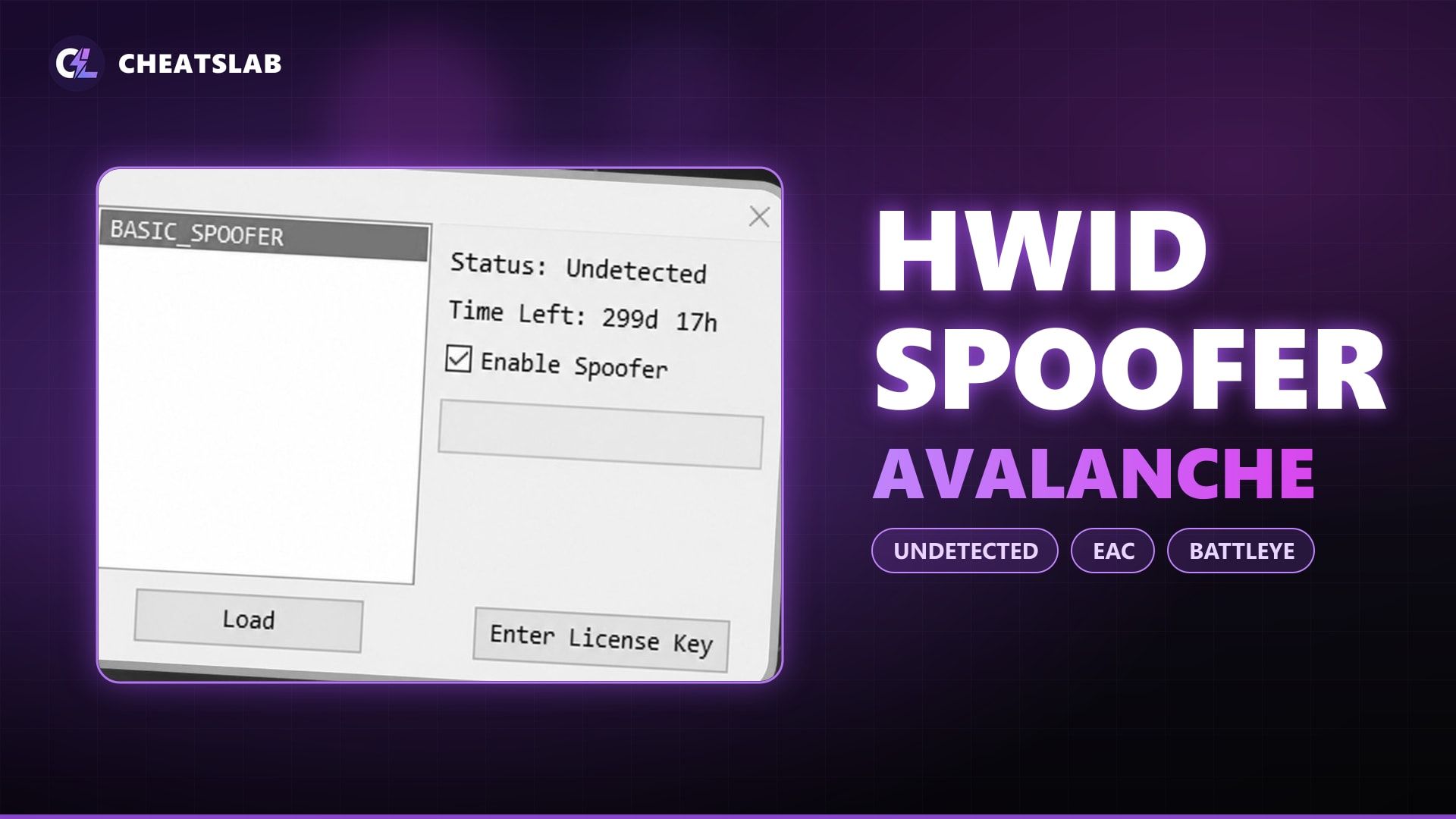
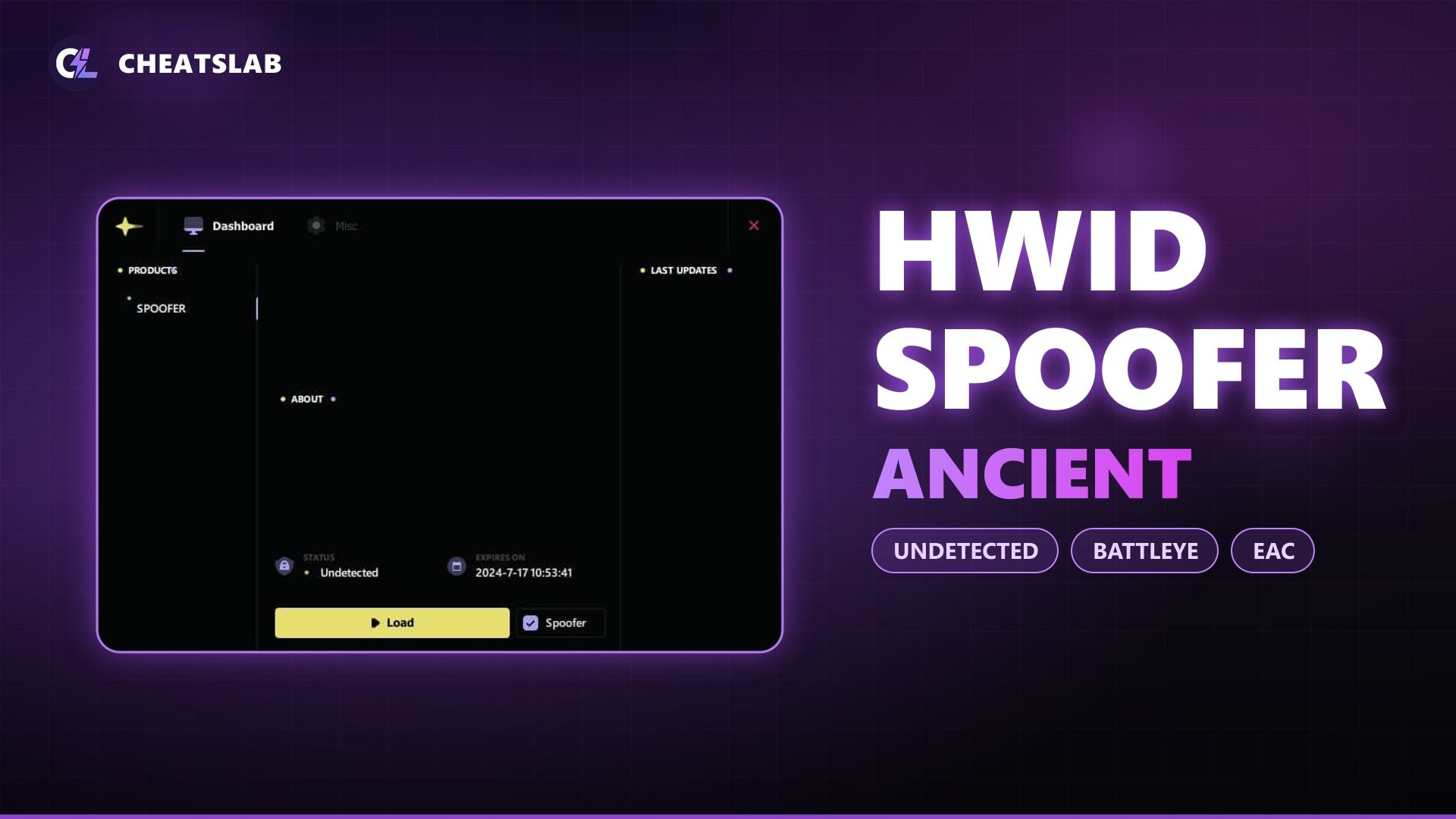
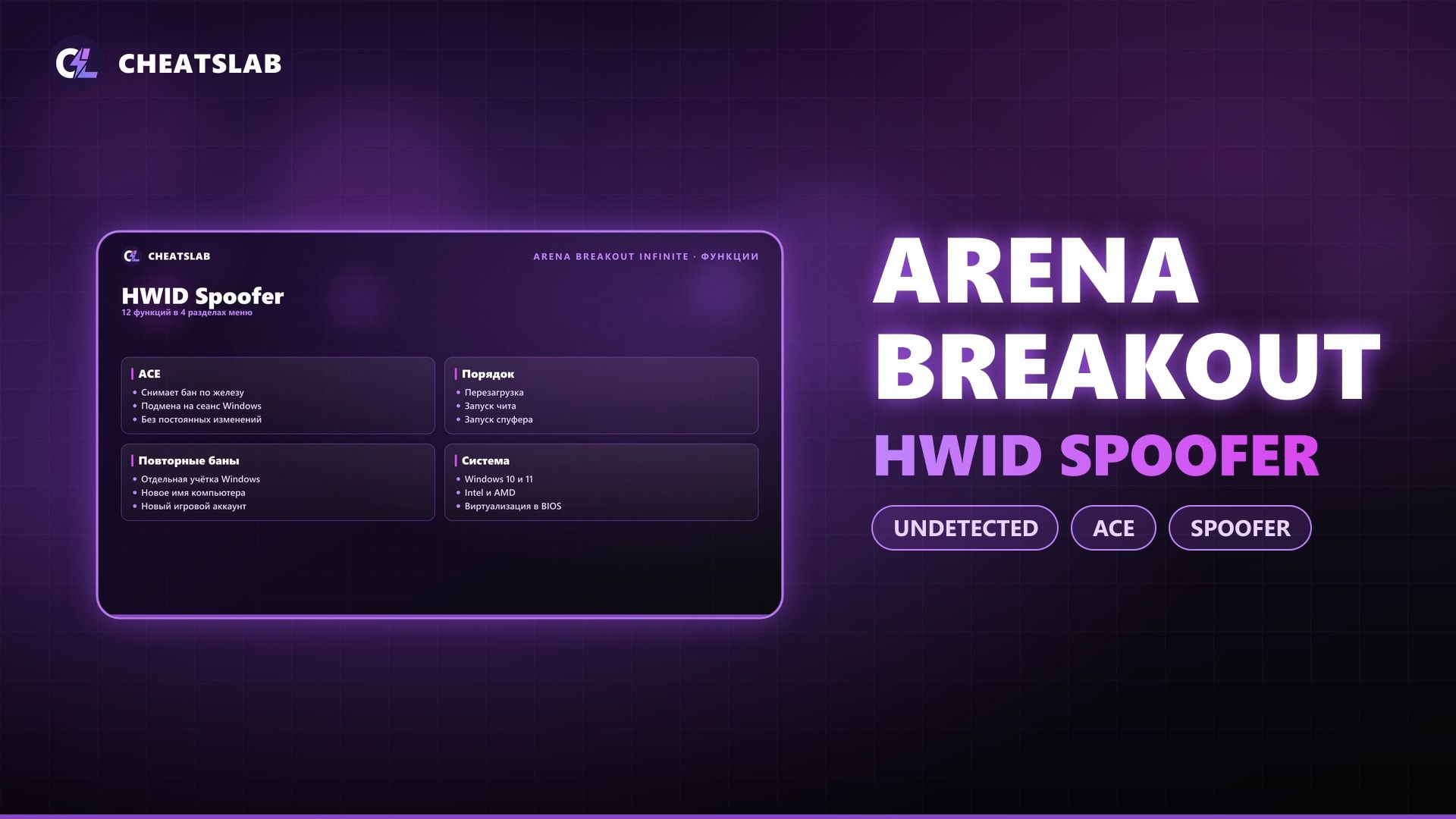
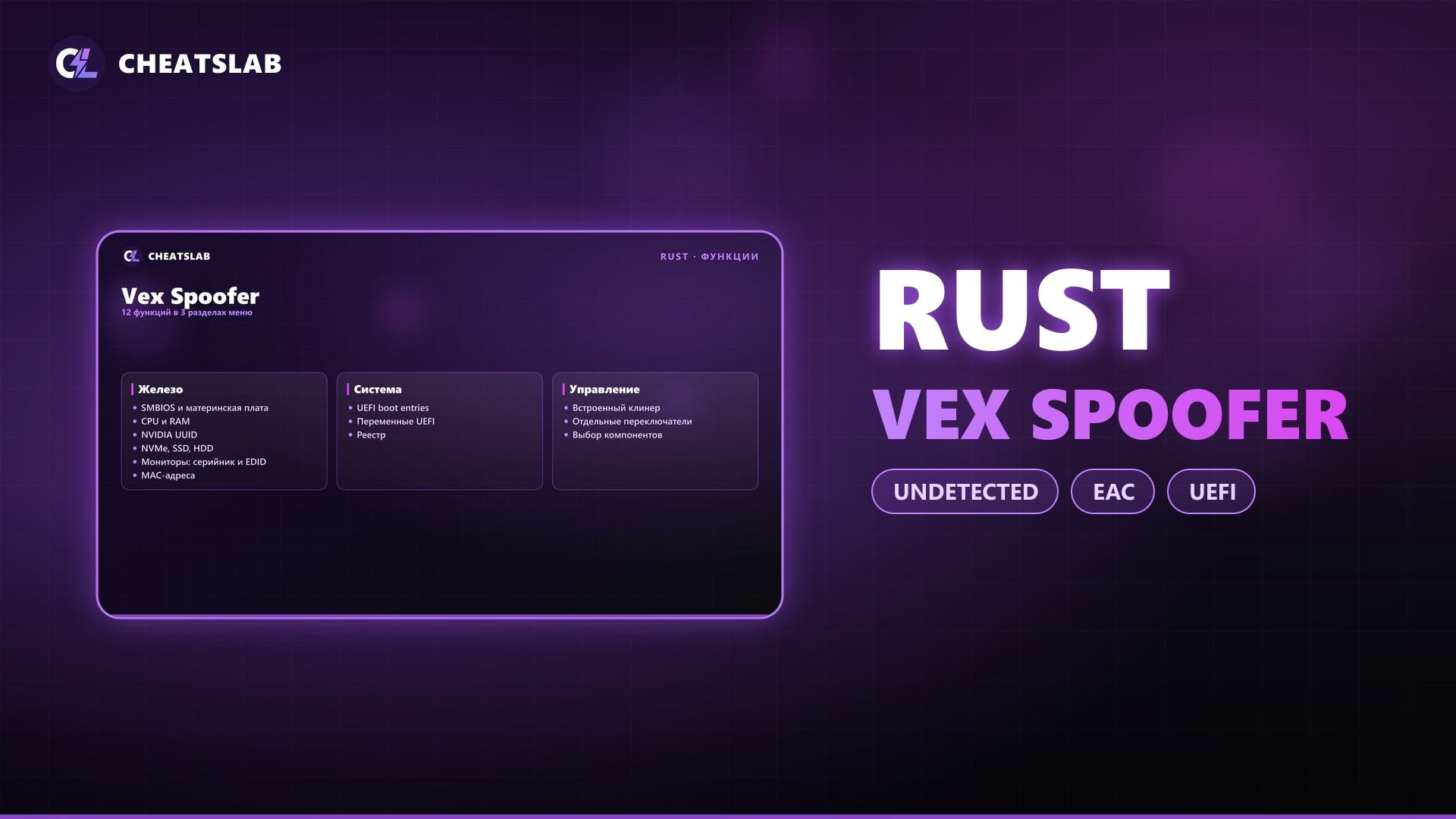
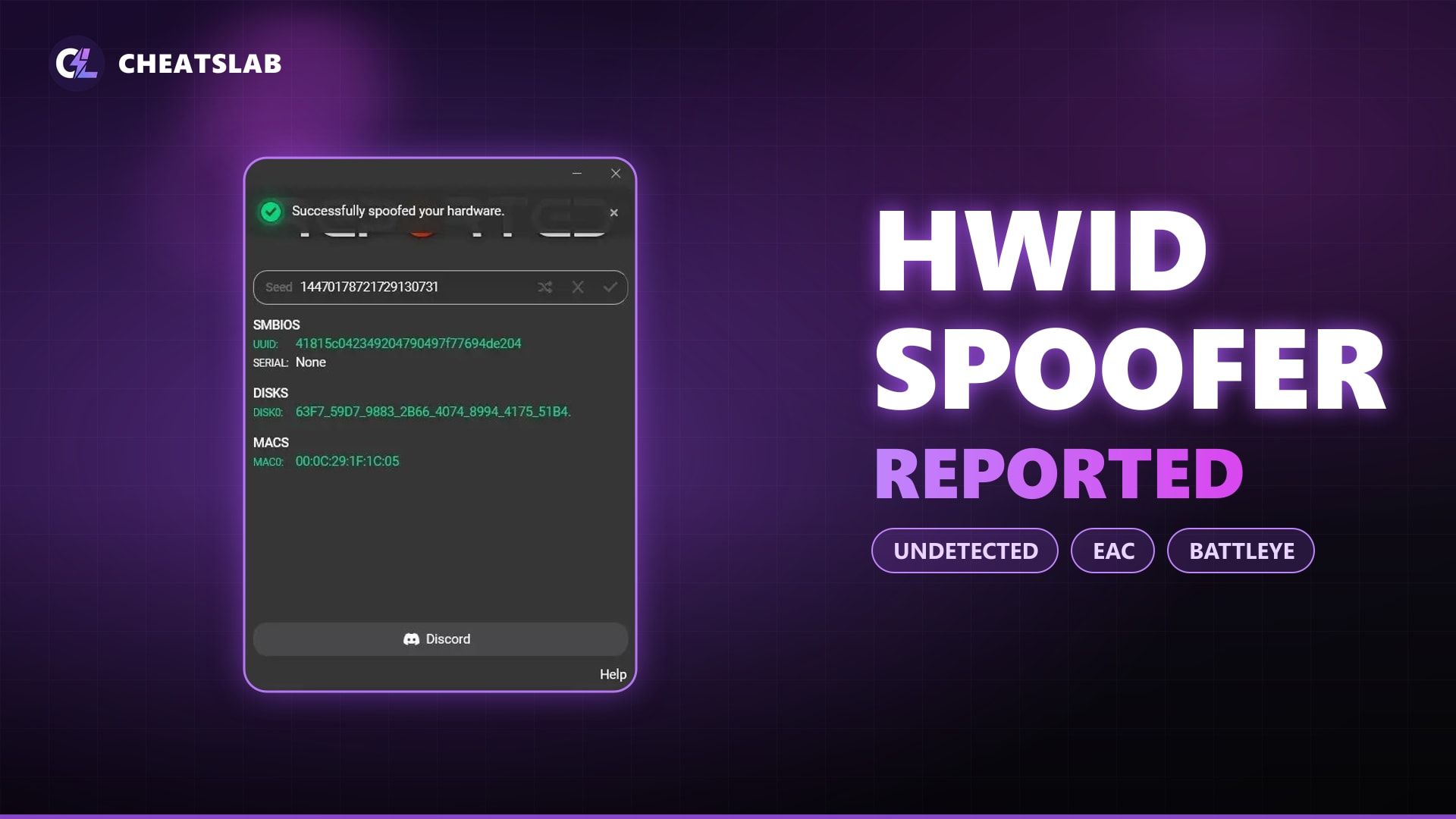
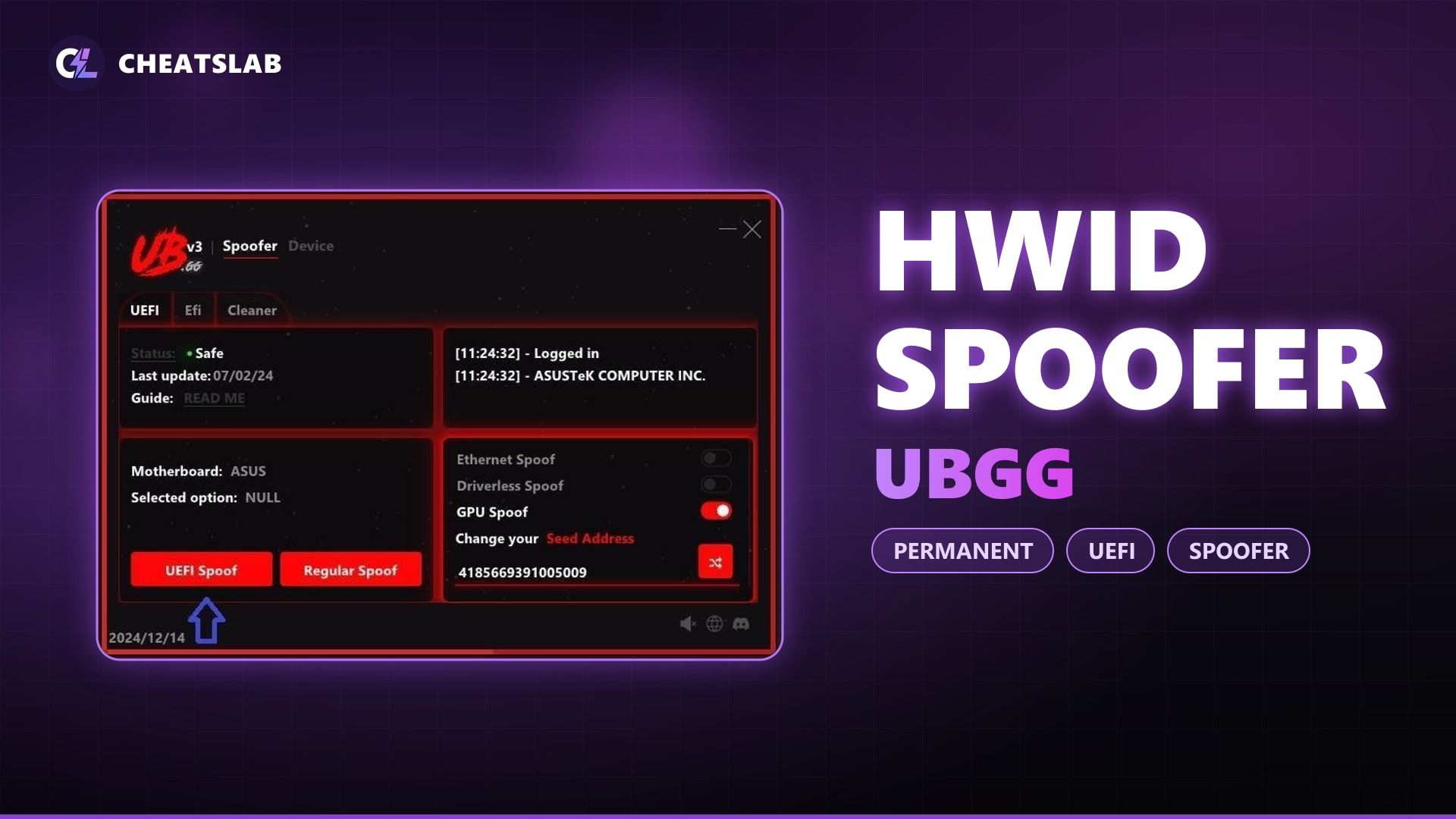
HWID spoofers for games on EAC, BattlEye, Vanguard and ACE: temporary and permanent, spoofing drives, MAC and TPM 2.0. They help lift a hardware ban.
You need an HWID spoofer when a game has banned not just your account but your computer itself. Easy Anti-Cheat, BattlEye, Vanguard, ACE and other anti-cheats remember the serial numbers of your hardware — drives, motherboard, network card, TPM module. After a ban like that, any new account from this PC gets banned almost immediately. A spoofer replaces these numbers, and the game sees a different computer.
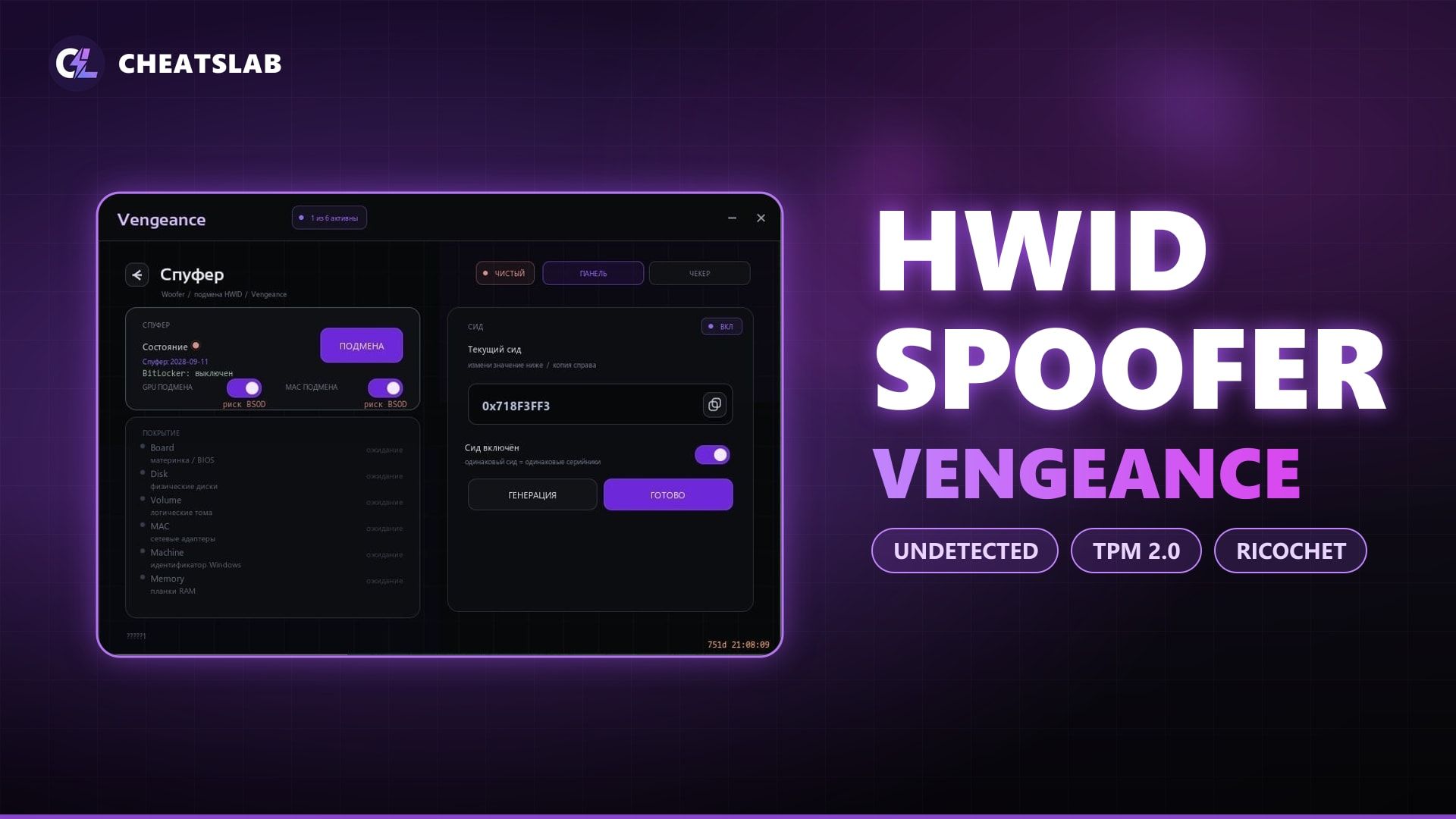
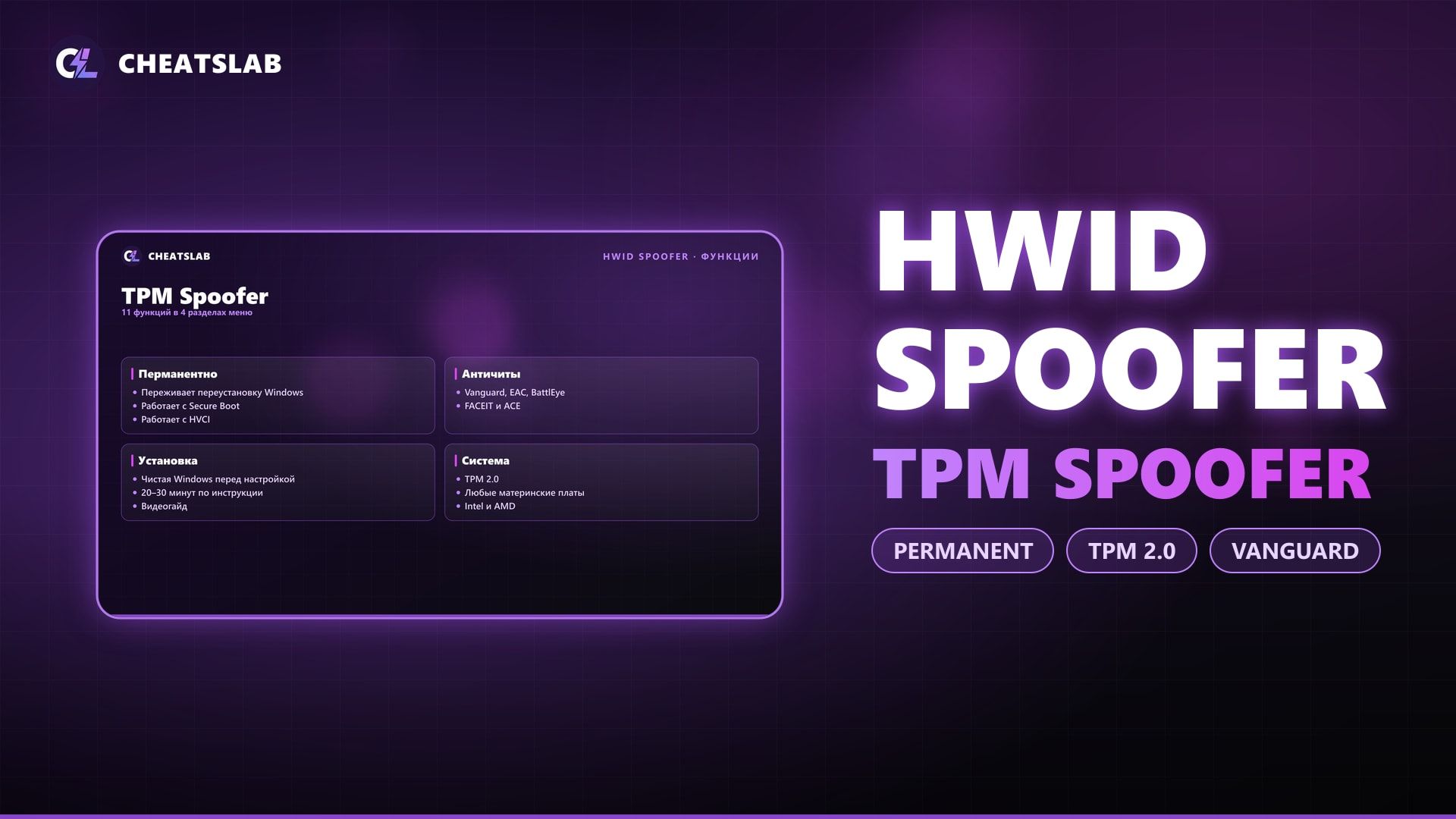
Spoofers come in two kinds: temporary and permanent. A temporary one works until a reboot: you run it before playing, and after Windows restarts all data returns to the factory values. It's safe for the system and convenient if you play from time to time. A permanent one changes the identifiers once — you only run it again after a new ban. TPM spoofers are a separate group: they change the TPM 2.0 key that Vanguard and FACEIT check, and keep the result even after reinstalling Windows.
When choosing, look at three things. First, your game's anti-cheat: some spoofers work only with BattlEye, some don't support Rust or Fortnite. Second, the requirements: many need virtualization enabled in BIOS, some need a USB flash drive or a clean Windows install. Third, the term: a day is enough to try it out, while for regular play a month or a permanent key is better value.
Keep in mind that a spoofer does not lift the ban from your account — after a ban you'll have to play on a new one. If bans keep coming, create a new Windows user and change the computer name. And if you'd rather not touch your main PC at all, check out DMA cheats: they run on a second computer through a hardware card.
What is the difference between a temporary and a permanent spoofer?
A temporary spoofer swaps your identifiers until the computer reboots: you run it before every gaming session, and after a restart the system goes back to its factory values. A permanent one changes the data once, and it stays until your next ban — some spoofers even keep it after reinstalling Windows.
Does a spoofer remove the ban from my account?
No. A spoofer hides your computer, not your account: a banned account stays banned. You need to play on a new account — the spoofer stops the anti-cheat from linking it to your PC.
How do I choose an HWID spoofer?
Start with the game's anti-cheat. For BattlEye and Easy Anti-Cheat, universal spoofers will do; for Vanguard and FACEIT you need TPM 2.0 spoofing; ACE and RAGE MP have dedicated versions. If you play occasionally, take a 1-day or 1-week plan; if you play regularly, go for a month or a permanent option.
How do I get my key?
The key is issued after payment and saved in your dashboard. If you have questions about launching the spoofer or BIOS settings, message our support on Telegram.